
Why Cell Phone Networks & 5G Towers Fail During Prolonged Grid Blackouts
Telecom infrastructure breakdown explaining why mobile phones lose signal hours after a blackout. Cell site battery exhaustion, backup diesel refueling bottlenecks, and microwave backhaul failures.
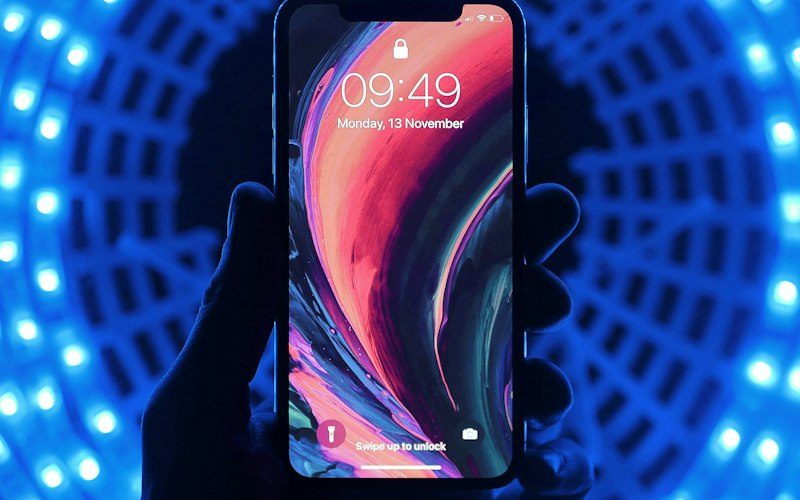
During catastrophic weather disasters, hurricanes, severe winter freezes, and prolonged power blackouts, millions of American smartphone users experience a disorienting secondary crisis: hours after the electrical lights go dark, their mobile phones display "No Service" or "SOS Only." In our modern smartphone-centric culture, the public widely assumes that cellular networks operate on independent, impervious wireless infrastructure that functions indefinitely without commercial grid power. However, cellular towers (macro cell sites) are massive, power-hungry industrial installations that are completely tethered to commercial utility power lines. Understanding cell site power architecture, battery exhaustion timelines, traffic congestion throttling, and satellite emergency communications protocols is vital for disaster communication.
Cell Tower Electrical Anatomy: The Vulnerability of Base Transceiver Stations
A modern macro cellular tower—operated by wireless carriers such as Verizon Wireless, AT&T Mobility, and T-Mobile US, or tower infrastructure REITs like American Tower and Crown Castle—is a complex electromechanical facility consuming between 5 to 15 kilowatts of continuous electrical power.
Key Hardware Components Requiring Power:
- Remote Radio Units (RRUs) & Antennas: High-frequency 5G (mmWave and mid-band C-band) and 4G LTE transceivers mounted on tower climbing frames require hundreds of watts of power per sector to broadcast radio frequency signals across multi-mile radii.
- Baseband Processing Units (BBUs): High-speed digital processors located at the base of the tower that process voice and data packets, manage cryptographic handoffs, and synchronize cellular channels.
- HVAC Climate Control: High-density electronics inside base station shelters generate immense heat. In summer heatwaves, base station air conditioning must run continuously to prevent sensitive silicon transceivers from shutting down due to thermal overload.
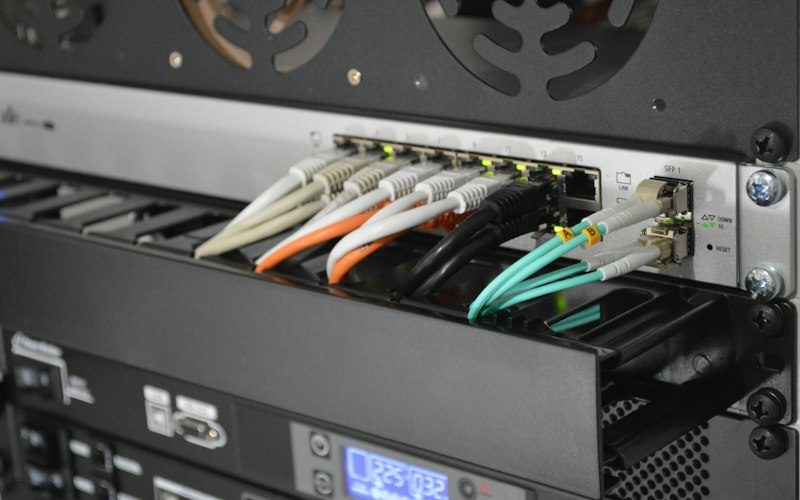
- Backhaul Media Converters: Fiber optic transceivers or microwave dish antennas that route aggregate voice and internet traffic from the tower into the carrier's regional core switching network.
The Real-World Lifespan of Cell Tower Backup Power Systems
When commercial utility power lines fail, cell towers do not go dark instantly. Telecom engineering standards mandate automated battery backup handoffs, but these systems have strictly limited operational endurance:
| Backup Power Tier | Typical Hardware Architecture | Standard Operational Runtime | Disaster Vulnerability |
|---|---|---|---|
| Tier 1: DC Battery Plant | Strings of 48V Valve-Regulated Lead-Acid (VRLA) or Lithium-ion batteries | 2 to 8 Hours Maximum | Exhausts completely within hours of grid collapse |
| Tier 2: Permanent Diesel Generator | Permanently installed 30-50 kW diesel generator with 200-gallon belly tank | 48 to 72 Hours (Before refueling) | Road closures, flooding, and fuel shortages halt refueling tanker trucks |
| Tier 3: Mobile COW / COLT Deployments | Cell On Wheels (COW) or Cell On Light Truck (COLT) portable towers | Temporary emergency dispatch deployment | Limited availability; deployed primarily to emergency operations centers |
1. Why Only a Fraction of Towers Have Permanent Generators
A frequent public inquiry is why wireless carriers do not simply install large permanent diesel generators on every single cell tower across America. The barriers are physical, municipal, and economic:
- Rooftop Weight and Structural Limits: Thousands of urban cell sites are mounted on the roofs of commercial office buildings or residential high-rises. Building structural engineering codes strictly prohibit placing heavy 5,000-pound diesel generators and 300 gallons of flammable fuel on commercial rooftops.
- Municipal Noise and Zoning Ordinances: Suburban residential zoning boards frequently deny permits for permanent outdoor diesel generators due to noise pollution ordinances and environmental fuel-spill containment regulations.
- Lease Footprint Restrictions: Cell carriers lease tiny plots of land (often only 20x20 feet) beneath towers. There is often physically no space to install an enclosed generator and fuel tank.
2. The Diesel Refueling Bottleneck in Storm Zones
For rural and suburban towers that possess permanent diesel generators, the critical failure point during wide-area disasters is fuel replenishment. During major hurricanes, historic blizzards, or catastrophic ice storms, roads are blocked by fallen trees and downed power lines. Local commercial fuel stations lack electricity to pump fuel. Telecom utility refueling trucks cannot navigate impassable roadways, causing generator fuel tanks to run dry within 48 to 72 hours, triggering cascaded secondary tower collapses.
Backhaul Severance: Microwave Atmospheric Fade and Fiber Cuts
Even if a cell tower possesses an operational generator with full fuel tanks, it cannot transmit a single telephone call if its Backhaul Link is broken. Cell sites do not operate as self-contained islands; they must constantly stream data back to regional mobile switching centers (MSCs) via two primary methods:
- Subterranean Fiber Backhaul: Over 80% of urban cell sites connect via underground fiber optic lines. As detailed in our infrastructure guides, trees tearing up root balls or contractors clearing storm debris with excavators frequently sever subterranean fiber drops, blinding the tower to the rest of the world.
- Point-to-Point Microwave Dishes: In rural or mountainous areas, cell sites relay data using high-frequency line-of-sight microwave dishes (typically 11 GHz to 23 GHz). During intense hurricanes and torrential downpours, high-decibel atmospheric moisture absorption—known as rain fade—scatters microwave beams. Furthermore, gale-force winds can twist tower climbing frames by only 1 or 2 degrees, throwing the razor-thin microwave beam completely out of alignment with the receiving tower miles away.
Network Congestion: The "Black Hole" Effect
Even when a local cell tower remains powered by backup batteries, smartphones frequently fail to connect or display spinning loading wheels. This is caused by catastrophic Cellular Network Congestion:
- Under normal everyday operating conditions, 80% to 90% of household smartphone data traffic is offloaded silently through home residential Wi-Fi broadband networks.
- The moment the power grid fails, millions of home Wi-Fi routers extinguish instantly.
- Simultaneously, hundreds of thousands of residents pick up their smartphones to check news, stream emergency broadcasts, text family, and monitor outage maps.
- Every single smartphone in the metropolitan region simultaneously switches to cellular data, flooding the few functional cell towers with an unprecedented 1,000% surge in wireless traffic.
- Base station digital channel controllers become completely overwhelmed. The tower's radio frequency spectrum saturates, and internal packet-queuing algorithms throttle connection bandwidth down to un-routable speeds.
Cell On Wheels (COW) and Drone Airborne Cellular Relays (Flying COWs)
To restore emergency communications before permanent infrastructure can be rebuilt, wireless carriers deploy specialized mobile assets:
- Cell On Wheels (COW) and COLTs: Heavy four-wheel-drive trucks equipped with pneumatic telescoping 100-foot antenna masts and onboard 30 kW diesel generators. Deployed directly to disaster command shelters, a single COW restores 4G/5G voice and high-speed data coverage for a 3- to 5-mile radius within two hours of arrival on-scene.
- Tethered Drone Cell Relays ("Flying COWs"): Pioneered by telecommunications disaster response teams, tethered hexacopter drones equipped with micro-cellular transceivers are hoisted 400 feet into the air. Powered continuously through an ultra-lightweight high-voltage ground umbilical cable tether, airborne cellular drones broadcast emergency coverage over hundreds of square miles of flooded terrain where ground trucks cannot physically travel.
Amateur Radio (Ham Radio) and Citizen Band (CB) Resilience
When high-tech cellular networks fail, amateur radio remains the ultimate lifeline of decentralized disaster communication. Licensed amateur radio operators (Ham Radio) participating in the Amateur Radio Emergency Service (ARES) and Radio Amateur Civil Emergency Service (RACES) deploy battery- and solar-powered VHF/UHF repeaters and High-Frequency (HF) transceivers. Operating independently of commercial infrastructure, amateur radio operators relay vital health-and-welfare messages, coordinate blood deliveries for hospitals, and bridge communications between remote emergency shelters and state emergency operations centers when every cell tower is silent.
Emergency Communication Alternatives When Cell Networks Fail
To ensure personal communication resilience when cellular towers fail, prepare these alternative channels:
- Apple Emergency SOS via Satellite: iPhone 14 and newer models incorporate specialized satellite radio transceivers and directional antennas. If cellular and Wi-Fi networks are completely dead, point your iPhone directly at an overhead satellite in open sky to send emergency text messages, medical ID data, and exact GPS coordinates to 911 dispatch centers via the Globalstar satellite constellation.
- Direct-to-Cell Satellite Services: Emerging satellite networks (such as Starlink Direct-to-Cell partnered with T-Mobile) utilize low-earth-orbit satellite arrays operating on standard mobile frequencies, providing cellular text messaging anywhere with an unobstructed view of the sky without requiring specialized phone hardware.
- NOAA Weather Radios (SAME Alerts): Keep a battery-operated or hand-crank NOAA Emergency Weather Radio equipped with Specific Area Message Encoding (SAME). NOAA broadcasts continuous, un-jammable emergency alerts directly from National Weather Service transmitters powered by hardened federal backup infrastructure.
- Analog FM/AM Broadcast Radio: Local broadcast radio stations possess hardened multi-week diesel fuel reserves and broadcast vital storm news, supply distribution sites, and boil-water alerts on standard car radios.
Alert Neighbors & Share Incident Status
Help your local community stay informed about this active utility interruption.
Reviewed against National Electrical Code (NEC), Federal Communications Commission (FCC) Part 4 directives, and Public Utility Commission statutory reliability standards.