
EV Bidirectional Charging (V2H & V2L): Powering Your Home with an EV Battery
Complete technical guide to Vehicle-to-Home (V2H) and Vehicle-to-Load (V2L) emergency power. Ford F-150 Lightning, Hyundai Ioniq, Tesla Cybertruck setup and transfer switches.

The rapid electrification of the American automobile fleet is creating an unprecedented transformation in residential energy security. While early electric vehicles (EVs) were viewed strictly as transportation assets and domestic electricity consumers, modern EVs equipped with high-capacity traction battery packs are rapidly evolving into massive, mobile emergency distributed energy resources. During severe grid failures, a modern EV parked in a residential driveway possesses sufficient electrical energy to power an average single-family home for several days or even weeks. Navigating Vehicle-to-Load (V2L), Vehicle-to-Home (V2H), and bidirectional DC inverter infrastructure allows homeowners to turn their electric cars into whole-house emergency power plants.
Battery Capacity Comparison: EV Traction Packs vs. Stationary Home Batteries
To grasp the immense power potential of modern electric vehicles during an electrical blackout, consider the dramatic capacity disparity between dedicated residential stationary wall batteries and automotive battery packs:
| Energy Storage Asset | Usable Battery Capacity | Equivalent In Stationary Batteries | Estimated Average Home Runtime |
|---|---|---|---|
| Tesla Powerwall 2 / Enphase 10T | 13.5 kWh | 1 Unit Baseline | 12 to 24 Hours (Conservative conservation) |
| Hyundai Ioniq 5 / Kia EV6 | 77.4 kWh | 5.7 Tesla Powerwalls | 3 to 5 Full Days |
| Ford F-150 Lightning (Extended Range) | 131.0 kWh | 9.7 Tesla Powerwalls | 7 to 10 Full Days |
| Chevrolet Silverado EV (Max Pack) | 205.0 kWh | 15.2 Tesla Powerwalls | 14 to 21 Full Days (Over 2 Weeks) |
A single extended-range electric pickup truck contains more usable electrical energy than ten permanently mounted residential wall batteries combined, representing an unprecedented emergency power reserve sitting on rubber tires in your driveway.
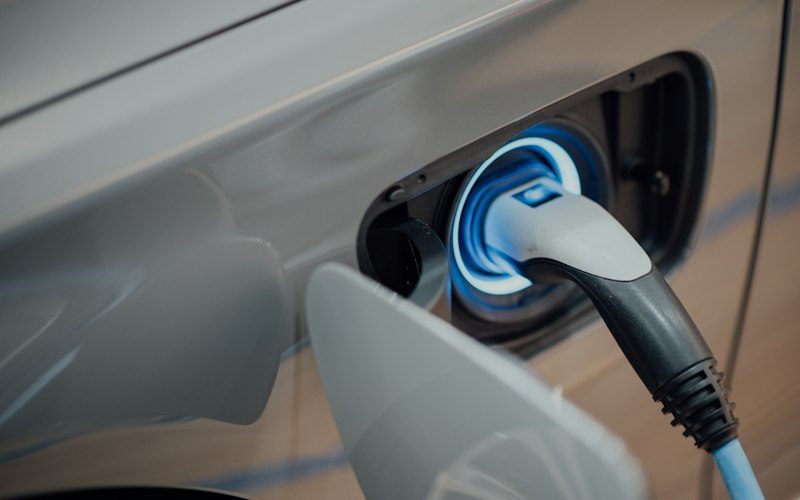
Understanding the Spectrum: V2L vs. V2H vs. V2G
Not all electric vehicle power export mechanisms are identical. The automotive and energy sectors categorize bidirectional charging into three distinct engineering tiers:
1. Vehicle-to-Load (V2L)
Vehicle-to-Load is the simplest, most accessible form of emergency EV power. The vehicle incorporates internal DC-to-AC inverters that route pure sine wave alternating current directly to built-in 120V household three-prong wall outlets located in the cabin, front trunk (frunk), or truck bed, or through an external J1772 charging port adapter.
- Power Output: Typically ranges from 1.8 kW (15A @ 120V) on vehicles like the Kia EV6 and Hyundai Ioniq 5, up to a massive 9.6 kW (30A @ 240V + four 120V circuits) on the Ford F-150 Lightning Pro Power Onboard system.
- Application: You can plug heavy-duty extension cords directly into the vehicle to power standalone refrigerators, freezer chests, medical equipment, power tools, or portable room heaters without any house wiring modifications.
2. Vehicle-to-Home (V2H)
Vehicle-to-Home is a fully integrated residential microgrid solution. Rather than running messy extension cords through doors and windows, the vehicle integrates directly with your residential electrical distribution panel through a bidirectional home charging station (such as the Ford Charge Station Pro or Enphase IQ Bidirectional Charger) and an automatic Home Integration System.
- Automated Grid Islanding: When the utility grid collapses, the V2H system automatically disconnects your home from the street in milliseconds, initiates high-voltage DC or AC power flow from the vehicle traction battery, and powers the entire household breaker panel.
- Seamless Restoration: When utility power returns, the gateway synchronizes AC frequency and automatically shifts the vehicle back into battery recharging mode without human intervention.
3. Vehicle-to-Grid (V2G)
Vehicle-to-Grid encompasses bidirectional communication protocols (ISO 15118-20) that allow utilities to draw power from parked electric vehicle fleets during statewide grid emergencies, compensating vehicle owners through dynamic peak energy pricing tariffs.
Connecting an EV to Your Main Panel via a Generator Inlet
Homeowners who drive a V2L-equipped electric vehicle with a 240-volt outlet (such as the Ford F-150 Lightning's 240V 30-amp L14-30R receptacle or Cybertruck's 240V 50-amp outlet) do not need to spend $10,000 on complex automated V2H systems to power their entire home safely.
The Manual Transfer Switch / Interlock Method
A licensed master electrician can install a standard outdoor Generator Power Inlet Box (PB30 or PB50) on the side of your home wired directly to a mechanical breaker interlock plate or manual transfer switch on your main service panel:
- Plug a heavy-duty 4-prong twist-lock generator extension cord (L14-30P to L14-30R) from your electric truck bed directly into the outdoor wall inlet.
- Slide your panel mechanical interlock plate to force the main utility grid breaker into the OFF position.
- Switch ON the generator backfeed breaker.
- Activate the vehicle's onboard AC power export switch in the center console touchscreen.
In less than two minutes, your electric truck is quietly and cleanly energizing your home's 120V lighting circuits, refrigerator, well pump, furnace blowers, and kitchen receptacles without engine noise, toxic exhaust fumes, or midnight gasoline refilling trips.
Neutral-Ground Bonding and Ground Fault Tripping on EV Outlets
A critical engineering nuance that confuses many homeowners when connecting an EV to a house panel is Neutral-Ground Bonding. Modern EV truck beds feature onboard GFCI circuit breakers and bonded neutrals (neutral is tied to vehicle chassis for OSHA job site compliance). Standard residential electrical service panels also have a main bonding jumper tying neutral and earth ground together.
When you plug an EV into a standard transfer switch that does not switch the neutral conductor, you create a dual-bonded system. Ground current flows back through both neutral and ground wires simultaneously. The vehicle's onboard GFCI sensor detects this current imbalance and immediately trips open, cutting power. To resolve this, electricians install a switched neutral transfer switch (G-type transfer panel) that breaks both hot legs and the neutral conductor simultaneously, allowing the EV's onboard power inverter to run flawlessly without tripping ground faults.
Solar Microgrid Coupling: Recharging Your EV During Extended Disasters
In catastrophic multi-week disasters where regional power grids and commercial DC fast-charging stations remain dark across multiple counties, an electric vehicle paired with rooftop solar establishes a virtually infinite closed-loop energy ecosystem. Advanced bidirectional home gateways can utilize excess daytime rooftop solar generation to recharge the parked EV battery pack once household circuits are satisfied. As night falls, the vehicle automatically discharges power back into the home to run refrigeration and LED lighting, creating a fully self-sustaining microgrid independent of fuel supply chains.
State Utility Interconnection Tariffs: California Rule 21 & IEEE 1547-2018
As electric vehicle bidirectional charging transitions from experimental trials to widespread residential deployment, state public utility commissions are establishing formal interconnection frameworks:
- California Rule 21 and Export Compliance: Under revised Rule 21 tariffs enforced by PG&E, SCE, and SDG&E, bidirectional EV charging systems that export electricity into household circuits must comply with UL 1741-SB and IEEE 1547-2018 interoperability standards. These standards ensure the vehicle's bidirectional inverter responds properly to utility grid voltage sags, over-frequency events, and emergency grid disconnect signals.
- Municipal Fleet Emergency Resilience: Forward-thinking municipalities across the United States are actively leveraging bidirectional electric school buses and public transit buses as mobile emergency relief centers. A single electric school bus equipped with a 220 kWh battery pack can drive to an emergency shelter, plug into a bidirectional school gym inlet, and provide emergency heating, lighting, and phone charging for hundreds of displaced residents for several days.
Battery Health and Depth-of-Discharge (DoD) Protection
A frequent concern among EV owners is whether powering a home during a blackout will prematurely degrade their expensive automotive traction battery pack. Automotive lithium-ion batteries (particularly modern LFP and advanced NMC cells) are engineered for thousands of full charge-discharge automotive drive cycles, corresponding to 200,000 to 500,000 miles of operation.
Operating a single-family home draws an average steady-state load of only 1.2 kW to 2.5 kW. To a 100 kWh vehicle battery designed to output 300 kW during highway acceleration, supplying 2 kW to a house represents an extraordinarily gentle 0.02C discharge rate. This negligible load generates virtually zero internal battery cell heat and causes microscopic degradation. Furthermore, vehicle onboard management software allows owners to set a strict emergency reserve floor (e.g., "Halt home backup power at 25% battery charge"), ensuring you always maintain 60 to 75 miles of driving range in the event of mandatory hurricane evacuation.
Alert Neighbors & Share Incident Status
Help your local community stay informed about this active utility interruption.
Reviewed against National Electrical Code (NEC), Federal Communications Commission (FCC) Part 4 directives, and Public Utility Commission statutory reliability standards.