
Medical Baseline Power Outage Preparedness: Life-Support, CPAP & Medication Cold-Storage
Critical lifeline planning for residents dependent on electricity-powered medical equipment. State Medical Baseline enrollment, UPS runtime calculations, and emergency EMS registry protocols.
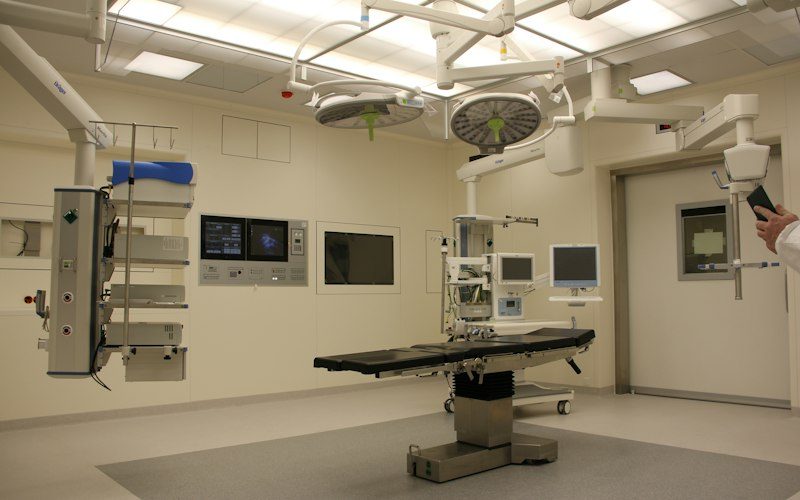
For millions of Americans living with chronic medical conditions, physical disabilities, or severe respiratory illnesses, an electrical power outage is not merely an inconvenience—it is an immediate, life-threatening emergency. Life-support equipment, motorized oxygen concentrators, mechanical ventilators, dialysis machines, intravenous infusion pumps, and electric wheelchair lifts require continuous, reliable electric current. Furthermore, temperature-critical pharmaceuticals, including insulin, biologics, chemotherapy drugs, and reconstituted antibiotics, degrade rapidly when refrigeration is lost. Navigating utility Medical Baseline Allowance programs, calculating uninterrupted power supply (UPS) runtimes, and coordinating with local emergency management agencies is critical for medical resilience.
Understanding Utility Medical Baseline Programs and Priority Restoration
Under state regulatory utility tariffs established by Public Utility Commissions across the United States, investor-owned and municipal utilities offer formal Medical Baseline Programs (also designated as Life Support Rosters or Critical Care Accounts). Qualifying conditions encompass paraplegia, quadriplegia, multiple sclerosis, severe respiratory failure, end-stage renal disease, and any medical condition requiring electric-powered life-support equipment.
Key Benefits of Enrolling in Medical Baseline
- Advance Notice of Public Safety Power Shutoffs (PSPS): During high-risk wildfire or extreme severe weather events, utilities are mandated to provide enrolled medical customers with personalized advance phone calls, text messages, and in-person door knocks prior to initiating deliberate power cuts.
- Disconnection Immunity: Under most state utility regulations, utilities are prohibited from shutting off electricity for non-payment if a resident has a certified physician-attested Medical Baseline condition.
- Lower Tiered Electric Rates: Because medical devices increase monthly kilowatt-hour consumption, enrolled households receive an additional baseline allotment of electricity at the utility's lowest subsidized tier, saving hundreds of dollars annually.
- Dedicated Emergency Evacuation Resource Centers: In states like California, Texas, and Florida, utilities operate Community Resource Centers (CRCs) during extended outages where medical baseline customers can access air-conditioned respite rooms, recharge medical batteries, and receive shelf-stable medical ice.
The Myth of "Priority Power Line Restoration"
A widespread and dangerous misconception among medical baseline families is the belief that enrollment guarantees rapid, individual electrical restoration to their specific house. This is false. Electrical distribution grids cannot route power to a single specific residence while the rest of the neighborhood feeder circuit remains de-energized. Utilities restore circuits based on hierarchical grid engineering priorities: first high-voltage transmission lines, then regional hospitals and 911 dispatch centers, followed by water pumping plants and high-density feeder trunk lines. A resident on life-support must never rely solely on utility restoration speed; robust home backup power is non-negotiable.
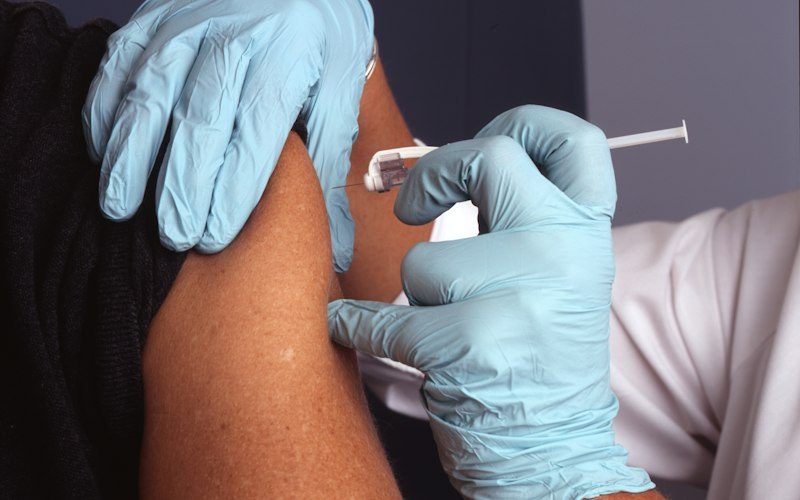
Calculating Emergency Power Runtimes for Life-Support Devices
To safely manage medical devices during a multi-day blackout, caregivers must understand the exact wattage consumption and electrical characteristics of each piece of equipment. Modern portable power stations (using durable Lithium Iron Phosphate / LiFePO4 battery chemistry) provide clean, pure sine wave power without noisy fumes or indoor toxic emissions.
| Medical Equipment | Average Running Watts | 1,000 Wh Battery Runtime | 2,000 Wh Battery Runtime |
|---|---|---|---|
| CPAP / BiPAP (Without Humidifier) | 20 - 35 W (DC Mode) | 25 - 35 Hours (3 - 4 Nights) | 55 - 70 Hours (7 - 9 Nights) |
| CPAP / BiPAP (With Heated Humidifier) | 80 - 110 W (AC Inverter) | 8 - 10 Hours (1 Night) | 16 - 20 Hours (2 Nights) |
| Continuous Oxygen Concentrator (5L/min) | 300 - 450 W | 1.8 - 2.5 Hours | 3.8 - 5.5 Hours |
| Portable Oxygen Concentrator (Pulse Dose) | 40 - 70 W | 12 - 18 Hours | 25 - 35 Hours |
| Home Dialysis Machine | 400 - 600 W | 1.3 - 1.8 Hours | 2.8 - 4.0 Hours |
| Enteral Feeding Pump | 10 - 20 W | 40 - 60 Hours | 80 - 120 Hours |
Crucial Optimization Tip: The CPAP DC-to-DC Converter
Notice the dramatic difference in CPAP power consumption in the table above. When running a CPAP machine through a battery station's standard 120V AC wall outlet, the battery must convert DC power to AC, and the CPAP power brick converts that AC back to DC, wasting 20% to 30% of energy in thermal losses. Furthermore, heating water in the humidifier chamber consumes over 70% of total machine wattage. By turning off the heated humidifier and using a dedicated 12V or 24V DC cigarette-lighter power cord, a patient can increase their CPAP emergency battery runtime from a single night to over four complete nights on the exact same battery station.
Home Dialysis & Oxygen Backup Protocols
Patients undergoing home peritoneal dialysis or hemodialysis face unique vulnerabilities during utility blackouts:
- Water Filtration for Hemodialysis: Home hemodialysis machines require pressurized municipal water run through specialized reverse osmosis (RO) filters. If a power outage knocks out local water booster stations, municipal water pressure drops, instantly stopping dialysis cycles. Patients must maintain direct emergency contact numbers for regional outpatient dialysis clinics to reschedule sessions immediately.
- Compressed Oxygen Emergency Cylinders: Electric oxygen concentrators pull ambient air through molecular sieves to generate 90%+ pure oxygen. However, when power fails, the machine ceases operation instantly. Concentrator-dependent patients must maintain at least two pressurized "E-tanks" or "H-tanks" of compressed medical gaseous oxygen equipped with mechanical flow regulators that require zero electrical power.
Portable Ventilators and Suction Equipment Backup (FDA/FAA Standards)
For individuals dependent on mechanical ventilators or motorized airway suction machines, electrical interruptions represent an immediate crisis that must be managed under strict clinical guidelines:
- Internal vs External Battery Hand-Off: High-end portable life-support mechanical ventilators (such as the Philips Trilogy or ResMed Astral) feature internal lithium batteries providing 3 to 4 hours of operation, alongside hot-swappable external battery packs providing an additional 8 hours. Caregivers must maintain a continuous charge rotation, ensuring all spare detachable battery packs remain fully topped up on conditioning docks.
- Automated Backup Ventilator Requirement: Clinical best practice mandates that ventilator-dependent patients residing at home must have a secondary, fully tested duplicate ventilator unit immediately accessible at bedside, alongside a manual bag-valve-mask (Ambu bag) resuscitation unit with appropriate tracheostomy adapter fittings.
- Car Inverter Charging During Mass Disasters: In catastrophic regional outages where home backup battery reserves become depleted, modern automotive 12V DC power sockets or pure sine wave vehicle inverters can safely recharge detachable ventilator battery packs while running the automobile engine in an open, outdoor driveway.
Cold Chain Maintenance for Temperature-Sensitive Medications
Biopharmaceutical therapeutics—including insulin (Lantus, Humalog, Novolog), growth hormones, immunosuppressants (Humira, Enbrel), and biologic arthritis medications—require strict temperature maintenance between 36°F and 46°F (2°C to 8°C). Exposure to freezing temperatures (below 32°F) or elevated temperatures (above 86°F) denatures complex protein molecules, rendering them biologically inactive or toxic.
Medication Emergency Preservation Protocols
- Dedicated Insulated Medication Coolers: Do not store vital medications in the same cooler as melting household groceries. Frequent opening exposes delicate vials to temperature fluctuations. Use a compact, vacuum-insulated medication cooler or specialized evaporative cooling pouches (such as Frio pouches).
- Never Place Medication in Direct Contact with Ice: Placing insulin vials directly on ice cubes or frozen gel packs will freeze the liquid, causing crystalline precipitation that destroys the hormone. Always wrap vials in bubble wrap or clean dry hand towels before placing them near cooling media.
- Know the 28-Day Room Temperature Exemption: Most commercial insulin vials and disposable pens can be safely kept at controlled room temperature (under 86°F / 30°C) for up to 28 days once unsealed. However, unopened reserve inventory intended for multi-month supply must remain properly refrigerated.
Registering with Local Emergency Medical Services (EMS) Special Needs Registries
Every county and municipality in the United States maintains a Special Needs or Vulnerable Population Registry operated by county emergency management departments and local fire districts. In the event of a catastrophic regional grid failure or mandatory evacuation order:
First responders prioritize residences registered on the special needs database for emergency wellness checks, medical battery recharging deliveries, or priority ambulance evacuation to medically equipped shelters. Contact your local county department of public health, local fire department dispatch, or dial 211 to formally register your household's critical electrical medical dependencies before storm season arrives.
Alert Neighbors & Share Incident Status
Help your local community stay informed about this active utility interruption.
Reviewed against National Electrical Code (NEC), Federal Communications Commission (FCC) Part 4 directives, and Public Utility Commission statutory reliability standards.